
What Evidence Can Help Challenge Blood Test Results in a Virginia DUI Case?
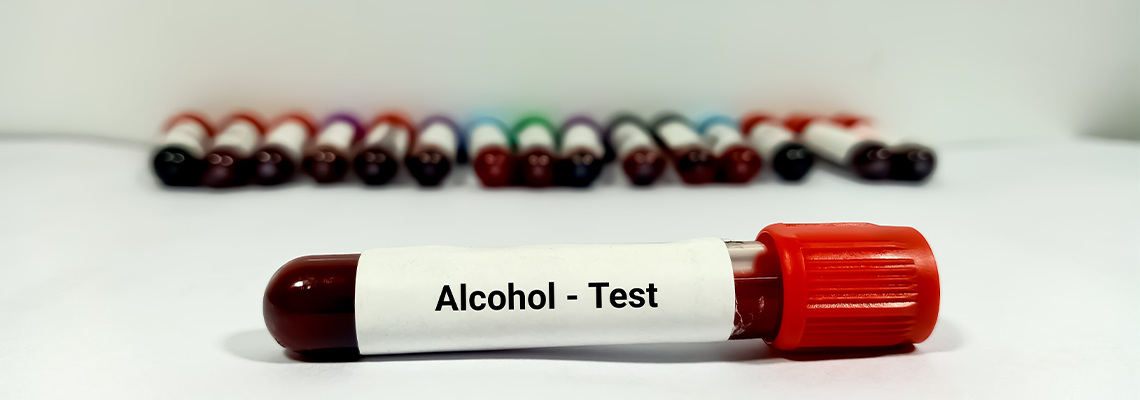
Facing a driving under the influence charge after a blood draw brings immense anxiety, stress, and uncertainty. Many drivers naturally assume that chemical blood test results are completely foolproof and impossible to fight in a court of law.
However, scientific testing methods involve strict protocols, precise handling, and distinct machinery, all of which are susceptible to human error, negligence, and technical flaws. You shouldn't have to accept a life-altering criminal conviction without thoroughly evaluating whether law enforcement officers, medical personnel, and state lab technicians followed every required procedure correctly.
At The Gordon Law Firm, we help individuals protect their freedom, criminal record, and driving privileges by challenging flawed prosecution evidence. We advocate for drivers who need strong, dedicated defense representation when facing strict state blood testing procedures and aggressive prosecution tactics. Reach out to us today to speak with an experienced Fairfax, VA DUI lawyer about your defense options.
Virginia law establishes rigid statutory requirements for how medical personnel must draw, label, preserve, and store blood samples in criminal investigations. When law enforcement officers or medical technicians skip statutory steps during blood collection, the physical integrity and scientific validity of the entire sample become heavily compromised.
Non-qualifying medical personnel: State law strictly requires specific licensed professionals, such as physicians, registered nurses, or certified phlebotomists, to perform the official blood draw procedure.
Use of alcohol-based swabs: Cleaning the injection site with an alcohol swab introduces external isopropyl alcohol into the specimen, artificially inflating reported blood alcohol concentration readings.
Improper blood vial mixing: Blood vials contain chemical preservatives and anticoagulants that must be inverted immediately after collection to prevent sample clotting and degradation.
Inadequate vial labeling: Failing to label blood vials with accurate timestamps, driver identification details, and officer signatures creates reasonable doubts regarding sample authenticity.
Identifying these collection mistakes early in your criminal case creates substantial doubt regarding the prosecution's physical evidence. Consulting a dedicated DUI lawyer allows you to review police reports, blood collection logs, and hospital records to identify technical deviations that weaken the state's legal position.
Proper adherence to statutory collection guidelines remains a fundamental prerequisite for introducing blood evidence in court. When medical personnel fail to follow established collection protocols, your DUI lawyer can challenge the admissibility of the sample during pre-trial hearings.
To introduce chemical test results in court, prosecutors must account for the physical sample's exact location from the moment of collection to final laboratory analysis. Any undocumented gap, missing signature, or physical discrepancy in sample handling undermines the reliability and admissibility of the state's evidence.
Missing transfer logs: Unrecorded handoffs between arresting officers, evidence custodians, courier services, and state laboratory technicians create unverified gaps in handling history.
Insecure storage conditions: Leaving blood samples in unrefrigerated environments, warm vehicles, or unmonitored holding rooms leads to sample fermentation and microbial growth.
Mismatched identification numbers: Discrepancies between police evidence tags, shipping manifests, and state lab intake forms suggest possible sample mix-ups or clerical errors.
Delayed laboratory transport: Extended delays in shipping blood samples allow essential chemical preservatives to break down, altering the blood's chemical composition before testing.
Exposing chain of custody flaws creates critical evidentiary challenges during pre-trial suppression hearings. Having an attentive DUI lawyer inspect evidence logs and transport records helps exclude compromised test results from being presented at trial.
Establishing a continuous, unbroken chain of custody is essential for preserving the legal integrity of blood evidence. Demonstrating that law enforcement failed to safeguard the sample prevents prosecutors from relying on unverified laboratory findings.
State forensic laboratories rely on gas chromatography machines to measure blood alcohol concentration levels in criminal prosecutions. While gas chromatography is a standard scientific method, improper calibration, dirty equipment, inadequate maintenance, and poor lab practices frequently yield skewed or false data.
Machine calibration failures: Laboratory technicians must run regular calibration checks using known reference standards to confirm testing accuracy before analyzing suspect blood samples.
Carryover contamination: Failing to clean testing columns between analytical runs allows residual alcohol from prior high-BAC samples to contaminate subsequent blood specimens.
Enzyme-induced fermentation: Bacterial contamination in unpreserved blood samples produces internal ethanol, artificially raising reported blood alcohol concentration levels significantly above actual levels.
Technician training gaps: Unqualified lab personnel or analysts who fail to follow standard operating procedures introduce systematic errors into testing results.
Software processing errors: Outdated or improperly configured laboratory software can misinterpret chromatic peaks, resulting in false blood alcohol concentration reports.
Demonstrating scientific inaccuracies requires analyzing raw laboratory data, calibration records, chromatograms, and maintenance logs. Partnering with a skilled DUI lawyer confirms that independent scientific review occurs before accepting laboratory claims at face value.
Scientific testing procedures require rigorous quality control measures to maintain accuracy and repeatability. Identifying technical oversights in the lab provides strong leverage when negotiating with prosecutors or arguing before a judge.
A DUI charge based on blood test results can feel insurmountable, but chemical data is only as reliable as the procedures used to obtain, store, and analyze it. From improper medical draws and storage failures to laboratory equipment errors, blood evidence contains numerous points of vulnerability.
Challenging these technical flaws protects your statutory rights and provides a strong foundation for seeking reduced charges, evidence suppression, or a complete dismissal. At The Gordon Law Firm, we scrutinize every aspect of blood test evidence to build robust defense strategies for our clients.
Based in Fairfax, VA, we defend drivers throughout Fairfax County, Loudoun County, Prince William County, Arlington, and the City of Alexandria. Reach out to us today to schedule a confidential legal consultation with a DUI lawyer regarding your case.