The Legal Consequences of Drug Possession Charges Involving Intent to Distribute Allegations
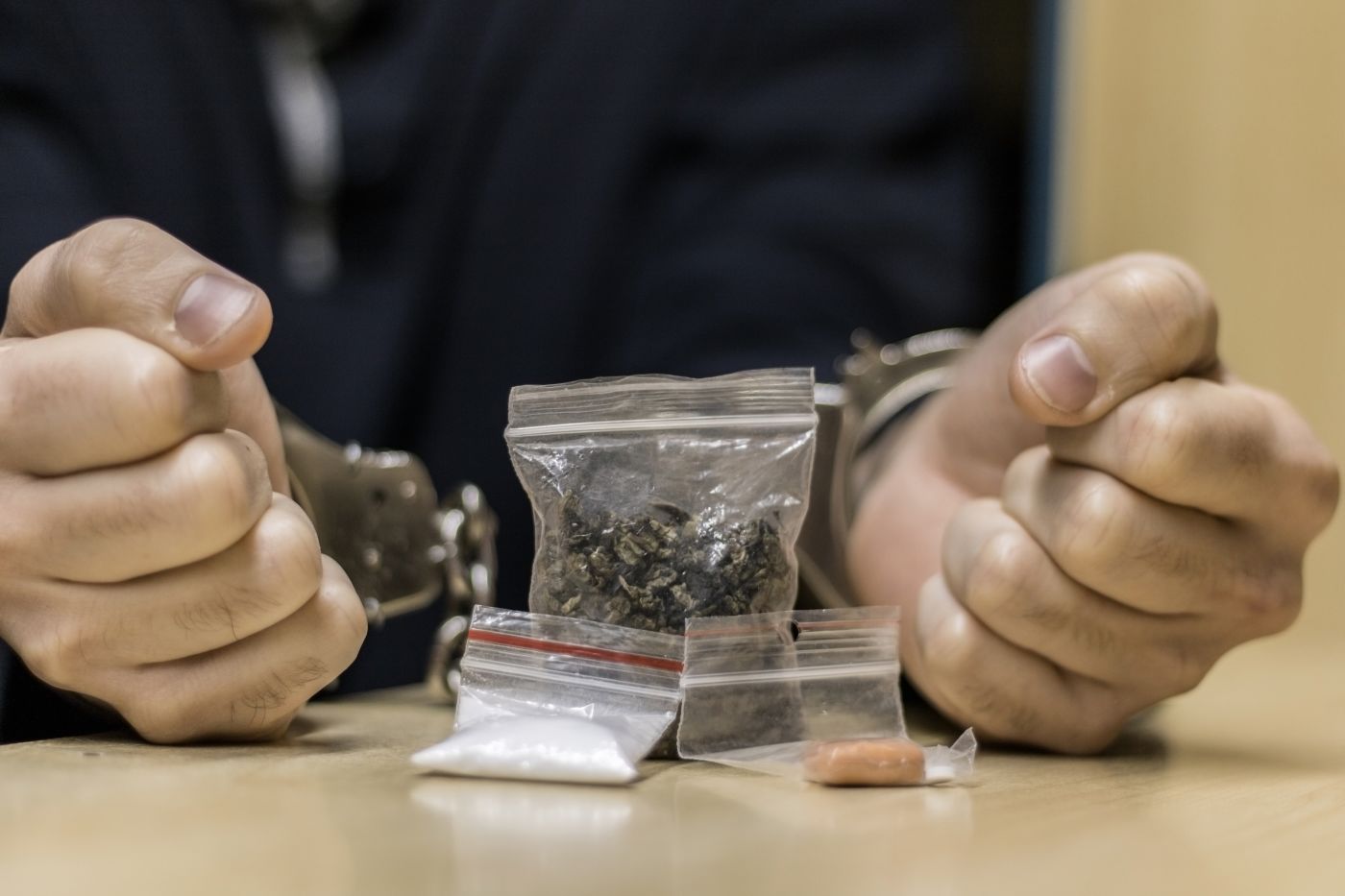
If you are charged with possession with intent to distribute drugs in Virginia, the consequences are generally far more serious than a simple possession charge. Prosecutors do not have to prove an actual drug sale occurred; they may attempt to establish intent to distribute using circumstantial evidence such as the quantity of drugs, packaging materials, cash, or communications. Understanding how these allegations are investigated and defended can help you make informed decisions about your case.
Our Fairfax, VA drug offense attorneys have decades of courtroom experience defending individuals accused of serious criminal offenses, including possession with intent to distribute controlled substances. These cases often involve extensive police investigations, searches, forensic testing, and constitutional issues. Contact us today to discuss your case and understand your rights.
Possession with intent to distribute is more than simply possessing illegal drugs. Prosecutors must generally prove that you knowingly possessed a controlled substance and intended to distribute it rather than keep it solely for personal use.
Unlike a simple possession case, intent may be inferred from surrounding circumstances instead of direct evidence. The prosecution is not required to show that drugs were actually sold. Instead, they may argue that the available evidence demonstrates an intent to sell, deliver, or otherwise distribute the controlled substance. Because intent is often disputed, these cases frequently turn on the strength of the evidence presented by both sides.
A conviction may carry consequences that extend well beyond the courtroom.
Depending on the specific charge, penalties may include incarceration, substantial fines, probation, and a permanent criminal record. A felony conviction may also affect employment opportunities, professional licensing, housing applications, educational opportunities, and firearm rights.
For non-citizens, drug convictions may also carry serious immigration consequences. Because the long-term effects can continue long after a criminal sentence has been completed, every stage of the case deserves careful attention.
Virginia law establishes separate criminal offenses for possession with intent to distribute controlled substances, and the applicable penalties vary depending on the type and quantity of drugs involved. Prosecutors must prove each element of the charged offense beyond a reasonable doubt, including the defendant's alleged intent to distribute.
Virginia courts often evaluate evidence such as drug quantity, packaging, cash, communications, and other surrounding circumstances when determining whether sufficient evidence exists to support an intent-to-distribute allegation. Constitutional protections governing searches, seizures, and interrogations also remain an important part of many Virginia drug prosecutions.
Intent is usually established through circumstantial evidence rather than eyewitness testimony.
One factor prosecutors often examine is the quantity of drugs recovered. Larger amounts may lead investigators to argue that the drugs exceeded what would ordinarily be considered personal use. However, quantity alone does not automatically establish intent to distribute.
Law enforcement may also point to individually packaged drugs, digital scales, packaging materials, large amounts of cash, multiple cell phones, ledgers, text messages, or other items they believe indicate distribution activity. Statements made during police questioning or information recovered from electronic devices may also become part of the prosecution's case. Each piece of evidence must be considered in context rather than in isolation.
Yes. Virginia law treats controlled substances differently depending on their classification and the circumstances of the alleged offense.
Charges involving substances such as cocaine, heroin, fentanyl, methamphetamine, or certain prescription medications may carry different penalties than cases involving marijuana or other controlled substances. Prior criminal history, the quantity involved, alleged distribution near schools or other protected areas, and additional charges involving firearms may also affect the prosecution and potential sentencing exposure. Because multiple statutes may apply, accurately identifying the charged offense is an important part of evaluating the case.
Yes. Many possession with intent to distribute cases involve questions about how evidence was obtained.
Police officers must generally comply with constitutional protections governing searches, seizures, traffic stops, arrests, and interrogations. If officers conducted an unlawful search, lacked probable cause, exceeded the scope of a warrant, or violated constitutional rights during the investigation, certain evidence may become subject to suppression.
Cell phone searches, vehicle searches, searches of residences, and statements made after arrest often receive careful legal scrutiny. When important evidence is excluded, the prosecution's case may be significantly affected.
The appropriate defense depends on the facts of each case.
Some defendants dispute whether they actually possessed the drugs. Others challenge whether the prosecution has sufficient evidence to prove an intent to distribute rather than personal use. In other situations, the defense may focus on unlawful police conduct, inaccurate forensic testing, unreliable witness testimony, or mistaken identity.
Questions also arise regarding constructive possession, where prosecutors allege that a person possessed drugs even though they were not found directly on that individual. These cases often require careful examination of who had access to the location where the drugs were discovered and whether sufficient evidence links the defendant to the controlled substance. No single defense applies in every case, making an individualized review of the evidence essential.
The decisions made early in a criminal case can influence how the case develops.
Preserving evidence, reviewing police reports, examining search procedures, evaluating forensic testing, and identifying constitutional issues all require careful legal analysis. Avoid discussing the allegations with others or posting about the case on social media, as such statements may later be used as evidence.
Our criminal defense attorneys can promptly begin reviewing the prosecution's evidence, identify potential weaknesses, and develop a defense strategy tailored to your circumstances.
If you are facing allegations involving possession with intent to distribute, having experienced legal representation can make a meaningful difference. At The Gordon Law Firm, we provide personalized representation backed by more than 40 years of experience in Virginia courtrooms.
We believe clear communication is essential to effective advocacy, which is why clients have direct access to our lawyers throughout their cases. We represent clients throughout Fairfax County, Loudoun County, Prince William County, Arlington, the City of Alexandria, Woodbridge, Manassas, Leesburg, Sterling, Vienna, Reston, Herndon, and the City of Fairfax. Contact us today to discuss your case.